Understanding the psychology behind gambling behavior at casinos
The Allure of Gambling
The draw of gambling often stems from an innate human desire for risk and reward. Casinos create an environment filled with flashing lights, vivid colors, and sounds that heighten excitement and encourage participation. This sensory stimulation plays a crucial role in enticing individuals to engage in games of chance. The thrill of the unknown—the potential to win big—fuels this attraction, as many players find it exhilarating to place bets on outcomes that are out of their control. One of the best online options for this experience is https://21casinogame.com, which offers a fantastic array of games available at your convenience.
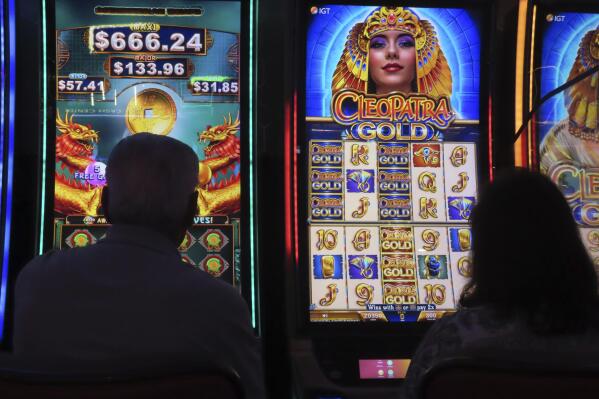
Additionally, psychological research has shown that the promise of reward triggers the release of dopamine, a neurotransmitter associated with pleasure. This biochemical response reinforces the behavior, making players more likely to return to the casino in hopes of experiencing that rush again. The very architecture and layout of casinos are designed to maximize this experience, ensuring that players remain engaged for extended periods, often losing track of time and money.
Moreover, social dynamics contribute significantly to the allure of gambling. Many individuals enjoy the social aspect of visiting casinos, where they can share experiences and celebrate wins or commiserate over losses with others. This sense of community, combined with the thrill of competition, creates a potent mix that further deepens the psychological grip of gambling behavior on players.
Cognitive biases significantly influence how players perceive their gambling outcomes. One common bias is the „illusion of control,“ where players believe they can influence the outcome of a game, despite the odds being against them. For instance, in games like roulette or slot machines, players often think that their strategies or rituals can affect the results, leading them to gamble more frequently. This misconception fosters an environment where individuals continue to play, hoping that their perceived skills can yield success.
Another bias is the „gambler’s fallacy,“ where players believe that past events affect future probabilities. For example, if a player observes a particular number has not come up in a while, they may bet heavily on it, convinced that it is „due“ to win. This flawed reasoning not only leads to emotional highs and lows but also escalates financial risks, as players chase losses in a desperate attempt to reclaim what they have lost.
These cognitive biases highlight the psychological complexities of gambling behavior, illustrating how irrational thought processes can dominate decision-making. Casinos often capitalize on these biases through marketing tactics that emphasize lucky streaks and testimonials from other players, further entrenching the misconception that anyone can win if they just play long enough or smart enough.
The physical environment of a casino is intentionally crafted to enhance the gambling experience. From the layout to the ambient sound and lighting, everything is designed to keep players engaged. Casinos often lack clocks and windows, creating a timeless space that encourages longer play. This manipulation of the environment plays a pivotal role in sustaining a player’s focus, leading to extended gambling sessions and often increased spending.
Moreover, the strategic placement of high-stakes games near the entrance attracts novice players eager to experience the thrill of gambling. The sounds of coins clinking and the cheers of winners amplify the excitement, creating a magnetic pull that can be hard to resist. Such design elements exploit psychological triggers, making it easy for players to become immersed in the gaming experience.
Additionally, the use of free drinks and promotions further entices players to remain at the tables or machines longer. While these incentives might seem benign, they can cloud judgment and decision-making, leading players to gamble beyond their financial means. This environment fosters an atmosphere where the line between entertainment and excessive gambling becomes increasingly blurred.
Advancements in technology have revolutionized the gambling landscape, introducing online casinos that mimic the engaging elements of physical venues. Players can now access a multitude of games from the comfort of their homes, equipped with stunning graphics and interactive features that replicate the casino experience. This technological evolution has made gambling more accessible, blurring the lines between recreational activity and problematic behavior.
Furthermore, online platforms often employ sophisticated algorithms and data analytics to tailor experiences to individual users, enhancing their likelihood of continued play. Personalized promotions and gamified features keep players engaged, increasing the potential for compulsive gambling behavior. In essence, technology has the capacity to manipulate user engagement in a manner that traditional casinos could only dream of.
Mobile technology has also played a significant role in reshaping gambling behavior. With the advent of smartphones, players can gamble anytime, anywhere, leading to impulsive betting habits that could be detrimental. This convenience, coupled with the immediacy of online payment options, creates an environment ripe for excessive gambling, as players may find it increasingly challenging to set limits on their behavior.

In light of the psychological complexities surrounding gambling behavior, responsible gaming initiatives have gained importance in the industry. Platforms like 21 Casino prioritize secure and responsible gaming by implementing various measures aimed at promoting player well-being. They offer tools for self-assessment and limits on deposits and losses, empowering players to take control of their gambling habits.
21 Casino also emphasizes the importance of education and awareness surrounding gambling risks. By providing resources and support for those who might struggle with gambling addiction, the platform demonstrates its commitment to fostering a safe gaming environment. These initiatives are crucial in mitigating the adverse psychological effects that can arise from irresponsible gambling behavior.
As the world of gambling continues to evolve, the focus on player safety becomes increasingly relevant. By leveraging technology responsibly and promoting positive gaming habits, platforms like 21 Casino are leading the charge towards a more sustainable and enjoyable gaming experience for everyone involved.